This article is about the dangerous illusion that AI has made design easy and why the real value of design now lies in orchestrating systems, not just producing outputs. At Berlin Design Week 2026, I shared why the future of design belongs to those who can connect business, technology, operations, and customer needs into experiences that work in reality. This is not just a professional perspective; it is a strategic imperative for leaders who want to build trust, scalability, and long-term value in an era of accelerating change.
AI is making it dangerously easy to create things that look finished. Nice screen, decent copy, good flows, and compelling presentations. And because all of it now appears polished within minutes, sometimes even in seconds, more and more companies start believing that design itself has become easy and that less expertise is needed to create good experiences. That’s the trap. In service design, for example, the visible part is usually the easy part. The real complexity sits underneath: systems, operations, regulations, backend logic, partners, processes, data flows, market differences, ownerships, and integrations. Or shorter: all the stuff nobody sees until it breaks.
AI is not the problem. The problem from my point of view is that AI makes mediocre solutions look convincing enough that companies start underestimating the complexity behind real experiences. Which means the value of design is shifting. Less toward producing outputs and more toward orchestrating systems.
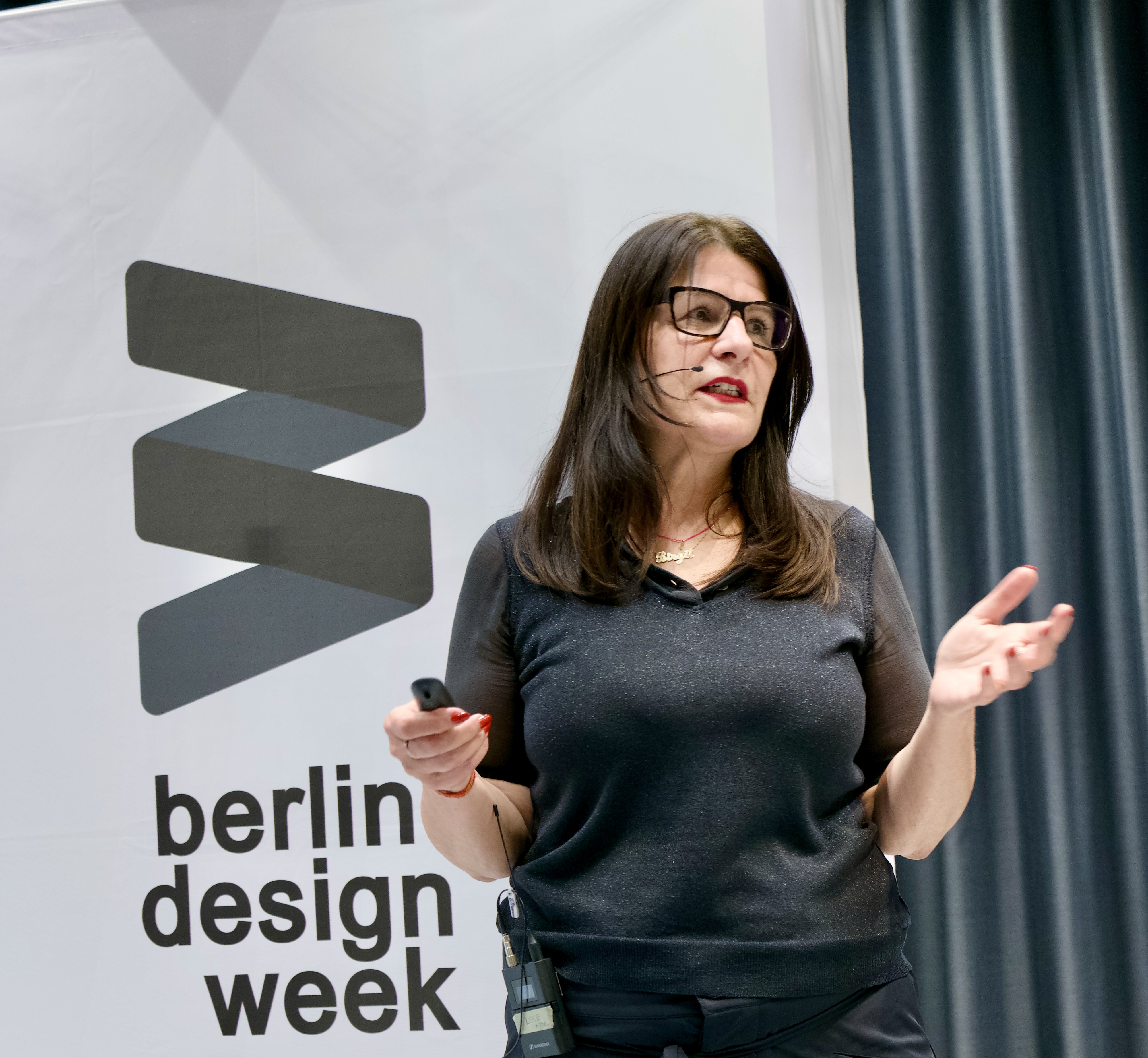
Berlin Design Week 2026 was the perfect platform to address this shift. The event brought together leaders who understand that design is no longer just about aesthetics or outputs, it is about building systems that deliver on their promises, no matter the context.
As a speaker, I focused on a topic that defines much of my work: the growing gap between what looks finished and what actually works. The discussions were valuable and insightsful. For me, this was not just about sharing a perspective. It was about advocating for a future where design remains a non-negotiable driver of business success. The real work of design happens beneath the surface, it lives in the systems, operations, and interconnected dependencies that determine whether an experience holds up in reality.
The full article published in this years catalogue. There is a growing shift happening. Whether we call it quiet or not is debatable, but what is undeniable is the speed.
Across almost every client conversation, I see the same pattern: the belief that design has become easy. From copy and branding to user experience, interface design, and even service concepts. With AI tools becoming more accessible, the assumption is that much of this work can now be done faster, cheaper, and with fewer people involved.
And to be fair, the tools are impressive. Entire categories of AI-driven design tools have emerged in just a few years, all promising the same thing: speed, efficiency, and output. And they deliver on that promise. Outputs that once required specialized expertise can now be generated within minutes. They look polished, coherent, and often convincing enough to create the impression that deeper strategic, operational, and design expertise is no longer equally necessary. And this is where the shift begins.
Because once “convincing enough” becomes acceptable, “good enough” slowly starts becoming the standard. In service design, especially, simplicity is often the result of enormous complexity being hidden successfully. Behind every seamless experience sits a system of technologies, processes, operations, partners, regulations, and business decisions that need to work together consistently over time.
The expectation is not just a seamless interaction, but an relevant end-to-end experience that works operationally, commercially, and for the customer at the same time.From a business perspective, this is not new. Outcomes have always mattered: adoption, cost-to-serve, scalability, and sustainable revenue. Good design has always contributed to this outcome.
What is new is how quickly that expectation is being put at risk. AI accelerates execution, but it does not automatically guarantee quality, consistency, or performance under real-world conditions. Increasingly, the promise of speed influences structural decisions: expertise is questioned, teams are reduced, and complexity is underestimated.
Where the illusion breaks
Imagine you buy a motorcycle from a global premium brand and are offered roadside assistance or an extended maintenance package. The experience feels effortless. The offer is clear, the visuals are appealing, the pricing is transparent, and activation takes only a few clicks. Everything signals reliability and premium quality.
But the real design challenge only begins after the purchase. For this service to actually work, multiple layers need to align across markets and systems. Global or international consistency matters because customers expect the same brand promise everywhere. At the same time, the operational reality behind that promise varies from market to market: regulations, service structures, partners, backend systems, data flows, and responsibilities.
The real test comes when the customer actually needs support.
A rider breaks down during a trip abroad and tries to use the roadside assistance purchased weeks earlier. The local service partner cannot find the contract in the system. Support redirects the customer to another hotline. The dealership has different information than the app. The customer must explain the situation multiple times while standing next to a broken motorcycle.
Internally, this may look like fragmented data, disconnected systems, or an integration issue. For the customer, the conclusion is much simpler: the brand failed to deliver on its promise. And this is exactly where “good enough” stops being acceptable.
I increasingly see organizations dealing with the consequences of siloed solutions and disconnected systems. Services designed without a true end-to-end perspective often require significant effort to fix later because the underlying system architecture, processes, and operational dependencies were never fully aligned in an interconnected, adaptive, and dynamic manner. Experiences are no longer static; they evolve, respond to context, and increasingly interact with other systems in real time. Which means weak orchestration becomes visible faster.
At the same time, the role of designers is evolving.
AI-driven technologies are changing how design work is created and delivered. While parts of execution become increasingly automated, designers gain new capabilities: faster iteration, deeper access to insights, and new ways to understand complex systems and behaviors. The value shifts from producing outputs to shaping meaningful, resilient, and connected experiences. The greatest value will come from connecting business strategy, brand, technology, operations, and customer needs into coherent end-to-end experiences that work reliably in reality. It is obvious that the strategic importance of design shifts further upstream: toward orchestration, decision-making, prioritization, and system thinking.
In this environment, trust becomes a critical differentiator. Not as a communication layer, but as an operational outcome created through consistency, reliability, transparency, and experiences that deliver on their promise across channels, markets, and touchpoints over time.
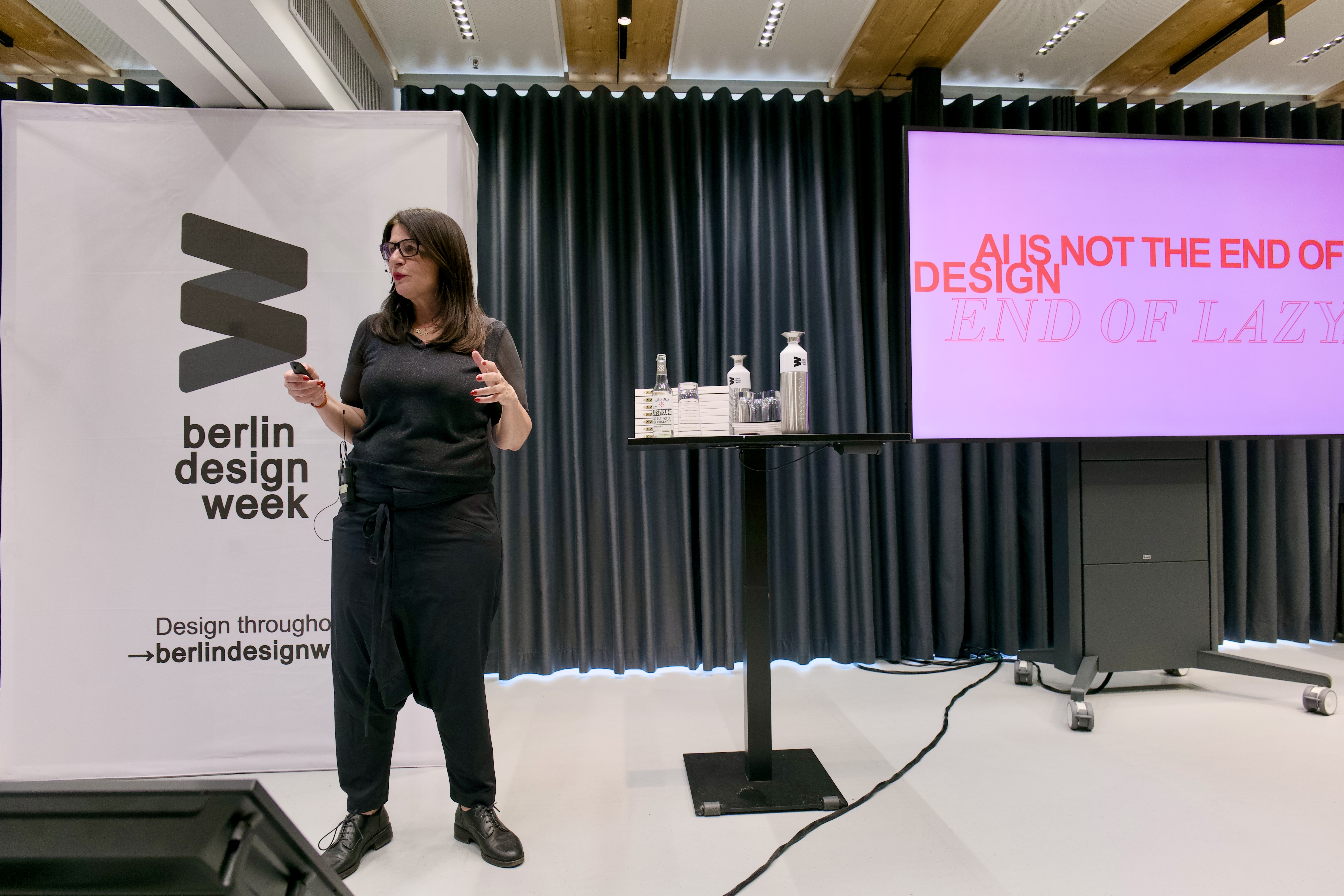
This is not the end of design. It is the moment where strategic and systemic design becomes more business-critical than ever.

Berlin Design Week 2026 reinforced what I have long believed: Design is not just about how things look. It is about how they work and whether they keep their promises. If this resonates with you, I would love to hear your thoughts. How is your organization navigating the tension between speed and depth? Where do you see the biggest risks and opportunities in this new era of design
Reach out. Let’s talk, because the future of design is not just about what we create it is about how we make it matter.